The Future of Orthopaedic Care: What Lies Ahead
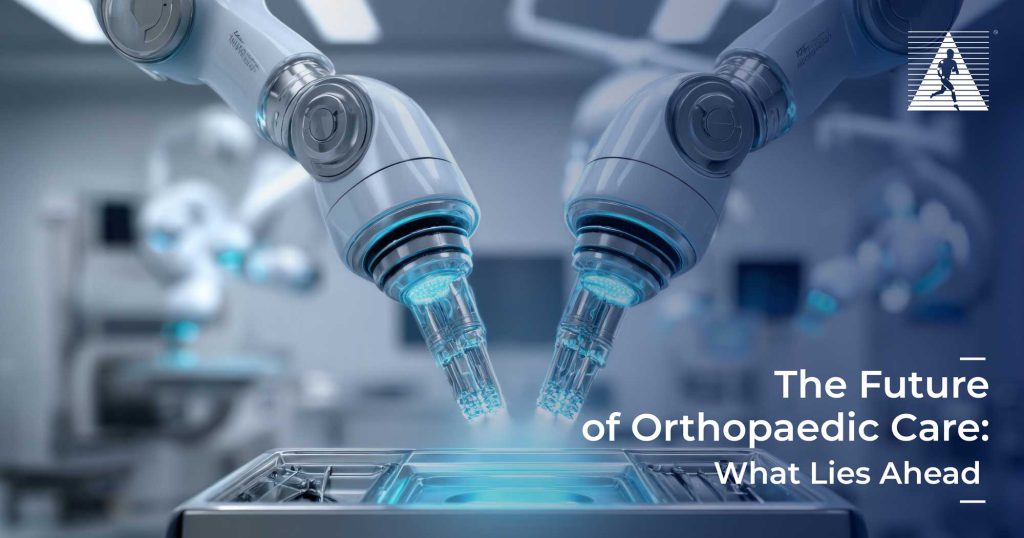
Orthopaedic care has progressed remarkably over the past few decades. Procedures that once required large incisions and prolonged recovery periods are now performed using minimally invasive techniques and advanced surgical technologies.
Looking ahead, several innovations are expected to further transform how joint conditions are diagnosed and treated.
One major area of development involves next-generation implant materials. Modern implants are being designed to be stronger, more durable, and more biologically compatible with the human body. Researchers are also exploring biodegradable implants that may gradually dissolve once the bone has healed.
Other promising technologies include:
- Robotic-assisted surgical systems that enhance precision
- Artificial intelligence tools for surgical planning
- 3D printing for customized implants and surgical guides
- Smart implants capable of monitoring healing and joint function
These advancements allow surgeons to plan procedures more accurately and tailor treatment to each patient’s unique anatomy.
Another rapidly growing area is digital monitoring and rehabilitation platforms, which allow doctors to track recovery more closely and adjust treatment when needed.
Despite these technological advancements, the foundation of orthopaedic care remains unchanged—accurate diagnosis, surgical expertise, and patient-centered rehabilitation.
In the coming years, the integration of medical expertise and technological innovation is expected to make orthopaedic care safer, more precise, and more personalized than ever before.
Latest Posts
-
Robotics and Its Impact on Post-Surgical Recovery
April 5, 2026 -

Mind–Body Rehabilitation: Why Recovery Is Not Only Physical
March 25, 2026



Leave a Reply