Data-Driven Orthopaedics: How Digital Technology is Transforming Joint Care
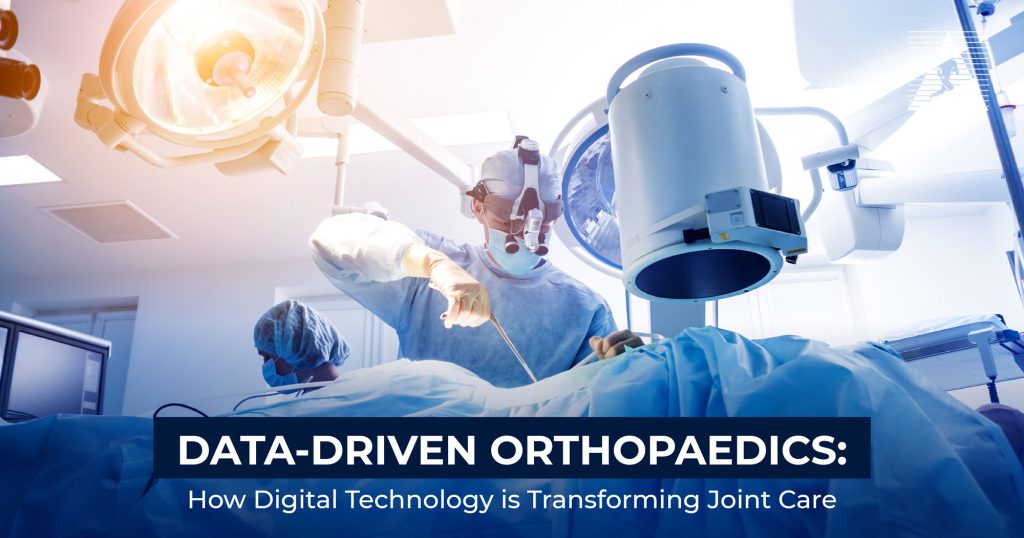
Orthopaedics is steadily moving toward a more data-driven approach to patient care. Digital technologies are increasingly being integrated with implants, surgical instruments, and rehabilitation platforms to provide valuable insights for both surgeons and patients.
Traditionally, orthopaedic surgeons relied primarily on clinical experience and imaging studies to guide treatment decisions. While these remain essential, modern digital platforms now have the ability to collect and analyse data from multiple stages of the treatment journey.
For instance, certain implant systems and surgical platforms can provide detailed information about joint alignment, implant positioning, and overall surgical accuracy.
These technologies assist surgeons in several important ways:
- Improved surgical planning through advanced digital imaging
- More precise implant positioning during surgery
- Monitoring the long-term performance of implants
- Analysing outcomes across different patient populations
Data-driven technologies can also play an important role in patient recovery. Digital rehabilitation platforms are able to track a patient’s progress and provide feedback to both surgeons and physiotherapists.
In some cases, patients may use wearable devices or mobile applications that record activity levels, range of motion, and exercise performance during rehabilitation.
This information enables healthcare teams to adjust treatment plans when necessary and identify potential issues at an early stage.
The objective of digital orthopaedics is not merely to adopt new technology, but to use data intelligently to enhance patient care and improve outcomes.
As these systems continue to evolve, they will support surgeons in delivering more personalized, precise, and effective orthopaedic treatment.
Latest Posts
-

Microbes in the Joint: A New Dimension in Osteoarthritis
January 24, 2026 -

Personalised Approaches Are Reshaping Joint Health Care
January 24, 2026



Leave a Reply