Autonomous Surgical Assistance: Elevating Precision in Orthopaedic Surgery
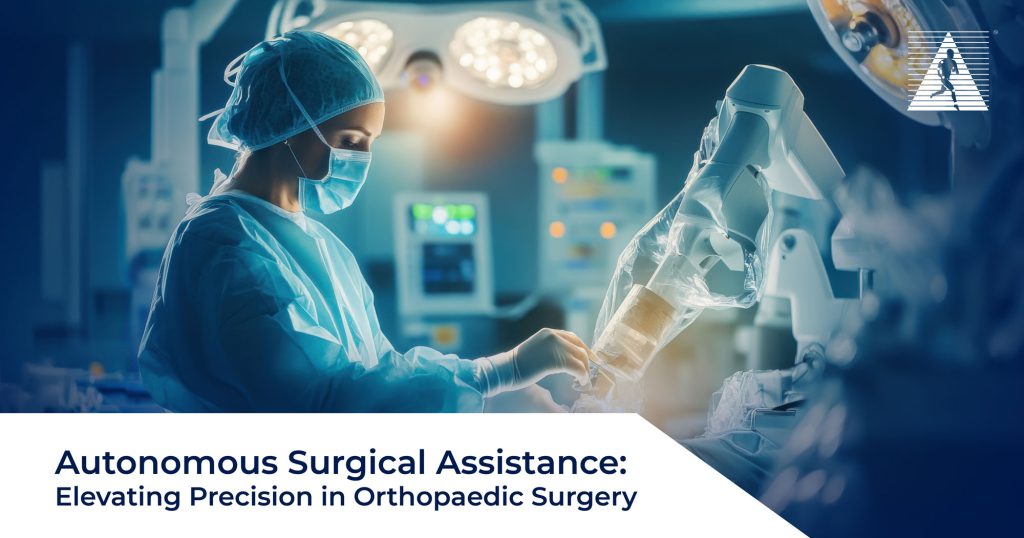
Orthopaedic surgery has always relied on a high degree of precision. In recent years, technological advancements have begun to support surgeons in achieving even greater levels of accuracy. One of the most significant developments in this field is the emergence of autonomous surgical assistance systems, commonly known as robotic surgical platforms.
These systems are designed to assist surgeons during complex procedures such as joint replacement surgeries. They support critical steps including precise bone preparation, implant positioning, imaging alignment, and, in certain cases, suturing.
It is important to note that these technologies do not replace the surgeon. Instead, they function as highly advanced tools that enable surgeons to perform delicate surgical steps with greater consistency and control.
Some of the key advantages of autonomous surgical assistance include:
- Enhanced precision during bone preparation
- Improved alignment and positioning of implants
- Reduced physical fatigue for surgeons during lengthy procedures
- Greater consistency in surgical outcomes
Modern robotic platforms also incorporate advanced imaging and surgical planning software. Even before the procedure begins, surgeons can carefully study the patient’s joint anatomy and plan each step of the surgery with greater accuracy.
During the operation, the system provides real-time guidance that helps maintain the planned alignment and positioning throughout the procedure.
Despite these technological advancements, human expertise remains central to every surgery. The surgeon makes all critical decisions and supervises every stage of the operation.
As these technologies continue to evolve, autonomous surgical assistance is expected to play an increasingly important role in orthopaedic surgery, helping surgeons achieve higher precision and ultimately improving patient outcomes.
Latest Posts
-

Microbes in the Joint: A New Dimension in Osteoarthritis
January 24, 2026 -

Personalised Approaches Are Reshaping Joint Health Care
January 24, 2026



Leave a Reply