Robotics and Its Impact on Post-Surgical Recovery
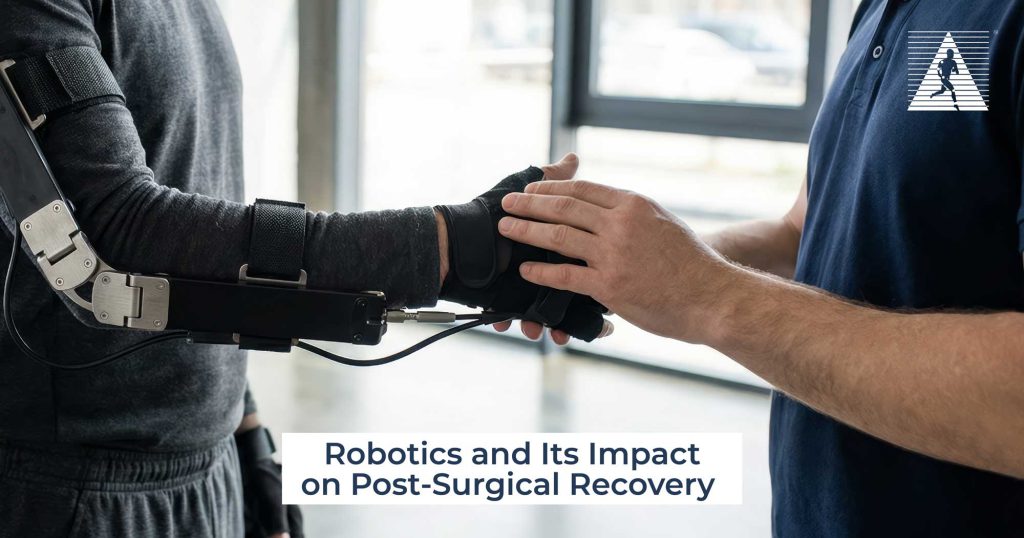
Robotic technology is increasingly being integrated into orthopaedic surgery, particularly in procedures such as joint replacement.
While robotic systems primarily assist surgeons during the operation itself, they can also positively influence post-surgical recovery.
Robotic platforms enable surgeons to plan and perform procedures with exceptional precision. By improving implant positioning and alignment, these systems can help restore more natural joint movement after surgery.
Better implant alignment often results in:
- Improved joint stability
- Reduced stress on surrounding tissues
- More predictable recovery timelines
- Enhanced long-term implant performance
Because robotic systems support highly precise surgical execution, there may also be less unnecessary soft tissue trauma during surgery. This can contribute to reduced post-operative pain and allow earlier rehabilitation.
Robotic platforms also play an important role in pre-operative planning. Surgeons can analyse detailed imaging of the patient’s joint and determine the ideal implant positioning before entering the operating room.
During surgery, the system provides guidance to help maintain this surgical plan.
It is important to emphasize that the surgeon remains fully in control of every step. Robotics simply provides an advanced tool that enhances surgical accuracy and consistency.
As these technologies continue to evolve, robotic systems are expected to play an increasingly important role in improving both surgical precision and recovery outcomes.
Latest Posts
-
Robotics and Its Impact on Post-Surgical Recovery
April 5, 2026 -

Mind–Body Rehabilitation: Why Recovery Is Not Only Physical
March 25, 2026



Leave a Reply