Mind–Body Rehabilitation: Why Recovery Is Not Only Physical
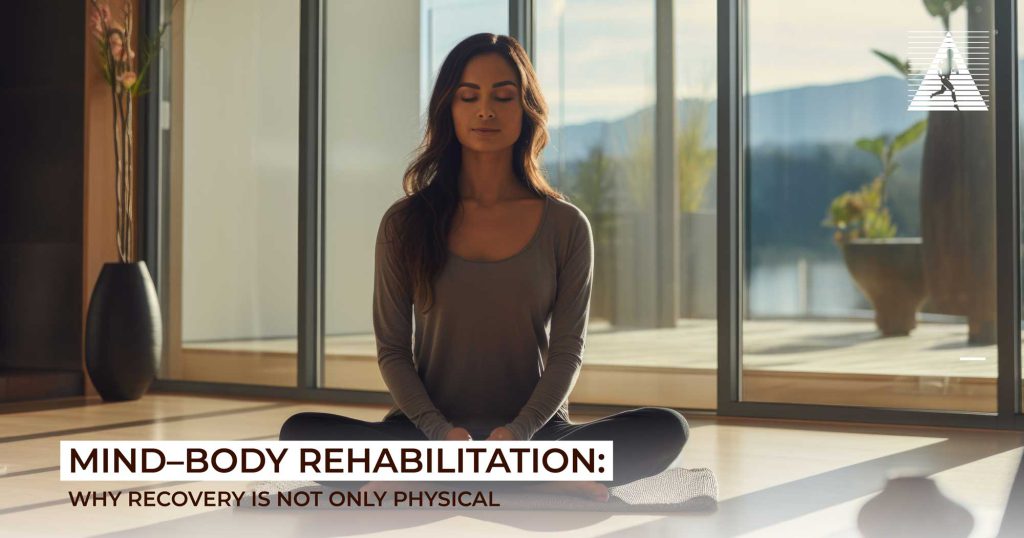
Recovery from an orthopaedic injury involves more than the healing of muscles and ligaments. In many cases, the brain must also relearn how to control movement following injury or surgery.
This understanding has led to the development of mind–body rehabilitation programs, which combine traditional physical therapy with neurocognitive training.
After injuries such as ACL tears or ligament reconstruction, patients may regain muscle strength but still experience challenges with coordination, balance, or reaction time. This occurs because the brain’s movement control patterns may change after injury.
Modern rehabilitation programs therefore include exercises designed to train both the body and the brain.
These may include:
- Balance and stability training
- Reaction-time drills
- Movement coordination exercises
- Visual and decision-making training during activity
These techniques help patients rebuild confidence in movement and improve joint stability.
For athletes, mind–body rehabilitation is particularly important. Sports require rapid decision-making, quick directional changes, and coordinated muscle control. Training the brain to respond effectively can significantly reduce the risk of re-injury.
Rehabilitation is also a psychological journey. Many patients develop hesitation or fear of movement during recovery. Structured rehabilitation helps restore confidence and trust in the injured joint.
By combining physical strengthening with cognitive training, modern rehabilitation programs support a safer and more complete recovery.
Latest Posts
-
Robotics and Its Impact on Post-Surgical Recovery
April 5, 2026 -

Mind–Body Rehabilitation: Why Recovery Is Not Only Physical
March 25, 2026


Leave a Reply